
Real-World Asset Tokenization: Bridging Web3's Promise to Tangible Value
By Moonrig Analyst Desk • June 23, 2026
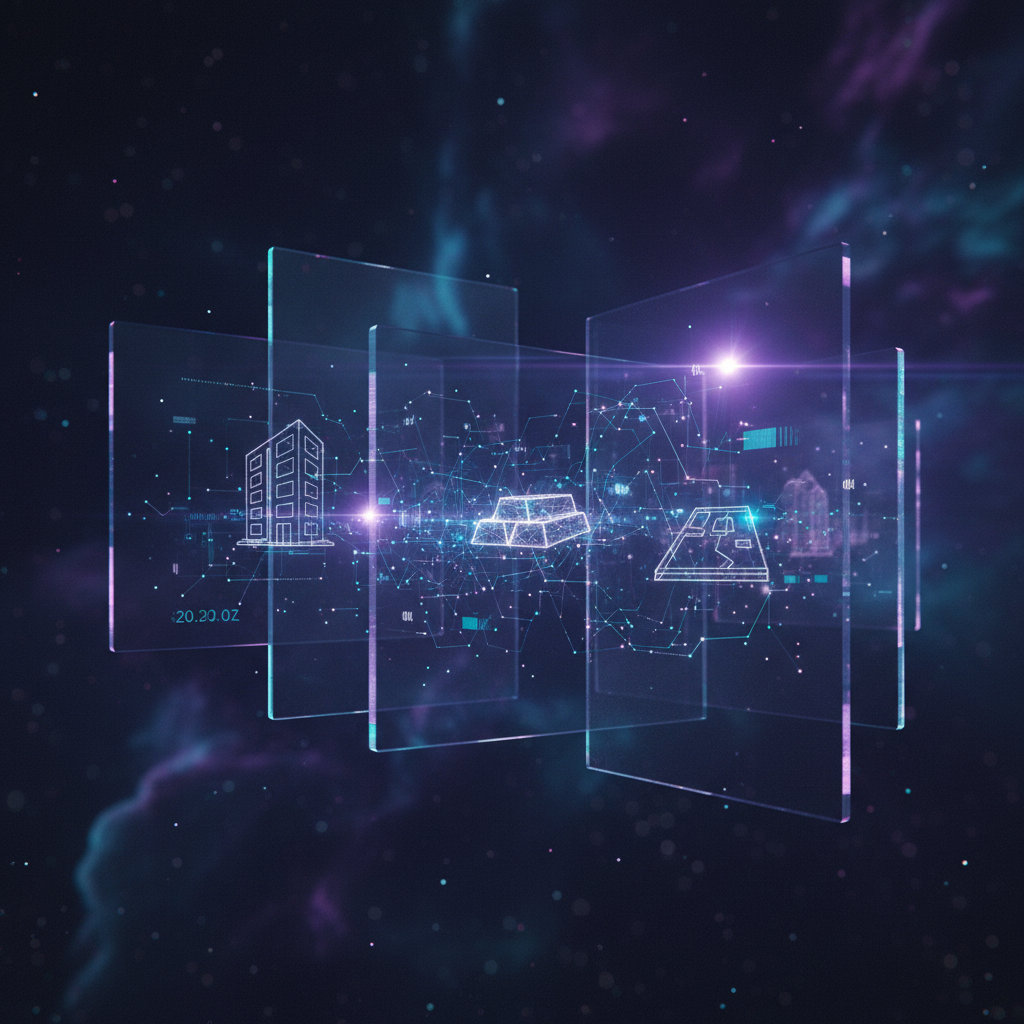
The narrative surrounding Web3 has long been characterized by grand promises of decentralization, transparency, and user empowerment. For years, much of the public's perception, and indeed a significant portion of the sector's activity, revolved around cryptocurrencies, volatile NFTs, and the speculative fervor that often accompanied them. However, as of mid-2026, a more mature and impactful trend has solidified its position at the forefront of Web3 innovation: Real-World Asset (RWA) tokenization. This development signifies a critical pivot, demonstrating Web3's capacity to transcend purely digital constructs and integrate deeply with the global economy's tangible underpinnings.
Moonrig has consistently emphasized the need for diligence and a clear-eyed assessment of value propositions in emerging technologies. RWA tokenization, while still nascent in many respects, presents a compelling case for fundamental value creation by unlocking liquidity, enhancing transparency, and streamlining traditional financial processes. It represents a significant step towards the "99% of the world" that, as some proponents note, has yet to fully experience the transformative potential of Web3 beyond its more speculative early iterations.
The Evolution of Web3: From Speculation to Utility
For much of its early history, Web3, often synonymous with blockchain technology, struggled to find its definitive "killer app" beyond financial speculation and digital collectibles. While DeFi pioneered new financial primitives and NFTs explored digital ownership, the broader application of decentralized networks to everyday industries remained largely theoretical. Critics often pointed to the lack of tangible utility, the high volatility of associated tokens, and the prevalence of "rug pulls" as evidence of a sector detached from real economic activity.
However, the underlying technological advancements continued. Blockchain's core attributes – immutability, transparency, and programmatic execution – always held the promise of revolutionizing areas far beyond crypto trading. From healthcare and supply chain automation to industrial monitoring, the potential applications were vast. The challenge lay in effectively bridging the gap between these robust technical capabilities and the complex, regulated world of physical assets and established financial systems.
Defining Real-World Asset Tokenization
Real-World Asset tokenization refers to the process of representing ownership stakes or rights to tangible (e.g., real estate, gold, art) or intangible (e.g., intellectual property, carbon credits, invoices) assets on a blockchain. This representation takes the form of a digital token, which can then be fractionalized, traded, and managed using the principles of decentralized finance and blockchain technology. Essentially, it digitizes a traditional asset, bringing its properties and value onto a programmable, global ledger.
This process is not merely about creating a digital twin; it involves establishing a legally sound and technically robust link between the on-chain token and its off-chain counterpart. This often requires legal frameworks, custodian services, and robust oracle networks to ensure the integrity and enforceability of the digital representation. The goal is to imbue these tokens with the same legal rights and economic value as the underlying physical asset, while simultaneously leveraging the efficiencies and transparency of blockchain.
Unlocking Liquidity and Fractional Ownership
One of the most significant advantages of RWA tokenization is its ability to unlock liquidity in traditionally illiquid asset classes. Assets like commercial real estate, fine art, or private equity investments often require substantial capital, involve lengthy transaction processes, and have limited secondary markets. By tokenizing these assets, they can be fractionalized into smaller, more affordable units, making them accessible to a broader range of investors.
Consider a multi-million-dollar property. Traditionally, only institutional investors or ultra-high-net-worth individuals could participate. Tokenization allows this property to be divided into thousands or even millions of tokens, each representing a small ownership stake. These tokens can then be bought and sold on secondary markets, dramatically reducing the entry barrier and increasing the tradability of the asset. This fractional ownership democratizes access to investment opportunities that were previously exclusive, potentially broadening the investor base for various asset classes.
Enhanced Transparency and Auditability
The inherent transparency of blockchain technology offers another compelling benefit for RWA tokenization. Every transaction involving a tokenized asset is recorded on an immutable, publicly verifiable ledger. This provides an unprecedented level of auditability and transparency, reducing the potential for fraud, errors, and disputes that can plague traditional asset management.
For example, in supply chain finance, tokenizing invoices or purchase orders can provide real-time, verifiable records of transactions, enabling faster and more secure financing options. In real estate, the entire history of ownership, maintenance records, and rental income can be transparently linked to the asset's token, providing investors with comprehensive and trustworthy information. This level of granular, verifiable data can streamline due diligence processes and build greater trust among participants in an ecosystem.
Streamlining Traditional Financial Processes
Beyond liquidity and transparency, RWA tokenization promises to significantly streamline many of the cumbersome and costly processes associated with traditional finance. The use of smart contracts can automate many aspects of asset management, from dividend distribution and interest payments to governance voting and compliance checks.
Settlement times, which can take days in traditional markets, can be reduced to minutes or seconds on a blockchain. This is particularly impactful for cross-border transactions, where inefficiencies and intermediaries often lead to high costs and delays. Firms like Securitize have made notable progress in this area, demonstrating how digital securities can offer faster settlement and reduced operational overhead compared to their traditional counterparts. The integration of Web3 APIs, such as those launched by Binance Wallet, further empowers developers and institutions to build on-chain infrastructure, facilitating more seamless interaction between traditional and decentralized financial systems.
The Role of DePIN and Account Abstraction
The broader Web3 landscape in 2026 is also seeing significant advancements that complement RWA tokenization. Decentralized Physical Infrastructure Networks (DePIN) are emerging as a crucial component, providing the foundational hardware and data necessary to verify and interact with real-world assets. Imagine sensors monitoring the condition of a tokenized infrastructure project, with that data feeding directly into smart contracts governing its maintenance or performance-based payouts.
Furthermore, account abstraction, which simplifies the user experience by making Web3 wallets more intuitive and flexible, is vital for broader adoption. As more traditional investors and institutions enter the RWA space, the complexity of managing seed phrases and understanding gas fees can be a significant barrier. Account abstraction promises to lower this barrier, making the interaction with tokenized assets as straightforward as managing a traditional bank account or investment portfolio. This push for user-friendliness is crucial for the mainstream integration of Web3 technologies.
Navigating the Regulatory and Technical Landscape
Despite its immense potential, RWA tokenization is not without its challenges. The regulatory landscape remains complex and fragmented across different jurisdictions. Defining the legal status of a tokenized asset, ensuring investor protection, and establishing clear guidelines for issuance and trading are ongoing efforts. This requires close collaboration between blockchain innovators, legal experts, and regulatory bodies to create robust frameworks that foster innovation while mitigating risks.
Technically, ensuring the secure and reliable connection between the on-chain token and the off-chain asset is paramount. This involves robust oracle solutions that can reliably feed real-world data onto the blockchain, as well as secure custodial solutions for the underlying physical assets. The security of Web3 wallets, as highlighted by concerns about cloned sites, fake support, and unsafe seed phrase handling, also remains a critical area of focus to protect investors in this evolving space.
The Importance of Tokenomics and Market Analysis
As with any Web3 endeavor, understanding the tokenomics of RWA projects is crucial. The design of a token's supply, distribution, utility, and incentive mechanisms directly impacts its long-term viability and value. While RWA tokens are inherently backed by tangible assets, poor tokenomic design can still introduce unnecessary risks, particularly concerning governance, liquidity provision, and the stability of the underlying protocol. Market analysis and trading insights, as taught in various academies, remain essential skills for navigating this evolving market.
Moonrig's diligence-first approach dictates a thorough examination of these factors. Investors must look beyond the novelty of tokenization and assess the fundamental value of the underlying assets, the robustness of the legal and technical wrappers, and the sustainability of the project's tokenomics. This includes scrutinizing aspects like the real-time token prices, candlestick data, and top gainers and losers across markets, which are increasingly accessible through Web3 APIs.
The Moonrig Take
Real-World Asset tokenization represents a fundamental shift in Web3's trajectory, moving it from a niche, speculative domain to a powerful tool for enhancing and integrating with the global financial system. By bringing tangible assets onto the blockchain, Web3 is demonstrating its capacity to solve real-world problems: unlocking liquidity, increasing transparency, and streamlining inefficient processes. This is not merely an incremental improvement; it is a foundational change that promises to redefine how value is stored, transferred, and managed across diverse asset classes.
For institutional investors, RWA tokenization presents a compelling opportunity to diversify portfolios, access new markets, and benefit from the efficiencies of decentralized technology. However, a diligent approach is non-negotiable. Moonrig emphasizes the critical need to evaluate the legal solidity of the token-to-asset link, the technical security of the platform, the regulatory compliance framework, and the underlying economic fundamentals of the assets being tokenized. The promise of Web3 in 2026 is increasingly tied to its ability to connect with the physical world, and RWA tokenization is proving to be the most significant bridge yet. The future belongs to those who understand not just the technology, but its rigorous application to create enduring, tangible value.